Applicator Guns & Heated Hose
Spray Guns & Hose Systems
Applicator guns and heated hose systems compatible with Graco and PMC proportioners — sized, wattage-rated, and cold-climate tested for Canadian job sites. Rebuild kits and full units both in stock.
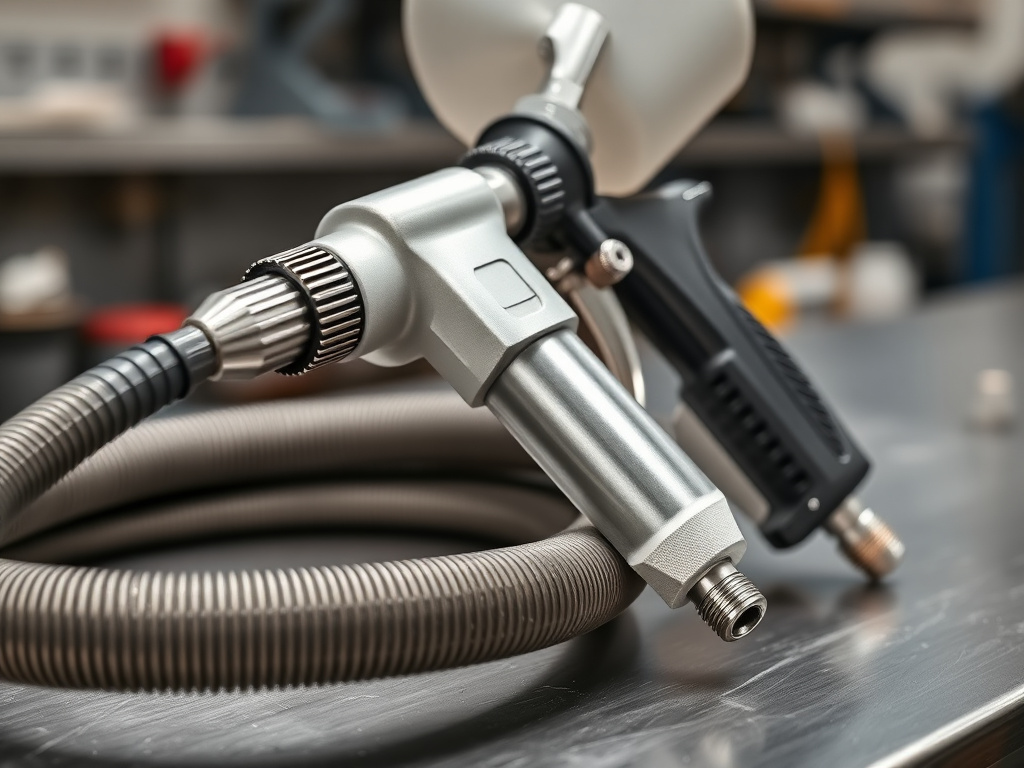
The Gun and Hose Are Where Bad Days Start
A proportioner can be perfectly tuned and you'll still spray garbage foam if the gun mix chamber is worn or the hose has lost heat to a cold spot. The gun and hose are the last point of control before chemical hits the substrate — worn tips, dragging air valves, and inconsistent hose temperature are the most common causes of streaking, off-ratio patches, and poor yield that get blamed on the chemical itself.
We stock guns and hose systems compatible with both major proportioner platforms so you're never locked into a single OEM parts channel, plus rebuild kits so a worn gun doesn't mean a full replacement.
Most crews underestimate how much gun condition affects material cost, not just spray quality. A worn mix chamber doesn't just look worse going down — it throws off actual chemical usage per board foot, quietly eating into your material margin on every job until someone finally traces a string of thin-yield complaints back to a gun that should have been rebuilt weeks earlier. Keeping a spare rebuilt gun on the rig is a cheap safeguard against that slow bleed.
Gun Compatibility
Graco Fusion / AP Guns
- Mix Type
- Impingement
- Rebuild Interval
- ~500–800 hrs
- Tip Options
- Multiple orifice sizes
- Best For
- High-volume commercial output
PMC AP-2 Guns
- Mix Type
- Impingement
- Rebuild Interval
- ~500–800 hrs
- Tip Options
- Multiple orifice sizes
- Best For
- Field-strip simplicity
Choosing the Right Gun for Your Job Type
Gun weight and output rate should match the job, not the other way around. A crew running attic retrofits, crawlspace access panels, and rim-joist work all day is fighting overhead reach and awkward positioning far more than raw output — a lighter-bodied gun with a smaller mix chamber cuts arm fatigue over an eight-hour day and is easier to work one-handed through a tight access hatch. Pushing a heavier, high-output gun through that kind of work all day is a fast way to burn out whoever's on the trigger.
Large-format commercial pours — open floor plates, roofing decks, big-box interiors — flip the priority to sustained output. A heavier-duty gun rated for higher lb/min throughput with a larger mix chamber keeps pace with the proportioner instead of becoming the bottleneck, and most crews running commercial volume daily accept the extra weight as the tradeoff for fewer trigger-hours per board foot sprayed.
Orifice and tip sizing should be matched to your proportioner's actual output rate, not picked by habit — an undersized tip on a rig capable of higher flow creates unnecessary back pressure and heat buildup at the gun, while an oversized tip on a lower-output rig can starve the mix and cause exactly the streaking and off-ratio patches everyone blames on the chemical. If your crew runs more than one gun model across different job types, standardizing tip and mix chamber sizing within each gun family still keeps your spares drawer manageable without forcing every truck to carry the same gun.
Heated Hose Systems
Length Options
Stocked in 50, 100, 150, and 300 ft runs — sized to your rig's typical reach on a job so you're not dragging excess hose or coming up short.
Wattage Ratings
Higher-wattage hose holds set temperature over longer runs and in colder ambient air — critical on any job outside a heated shop environment.
Cold-Climate Rating
Insulation and heat-trace specs matter more in Canada than almost anywhere else in the SPF market. We stock hose built to hold ratio-critical temperature well below freezing ambient.
Whip Hose
The short, flexible hose section between main hose and gun — takes the most physical abuse on the job and should be replaced on its own schedule, separate from the main run.
Hose Maintenance & Common Failure Points
Most hose failures start at the coupling ends where flex fatigue and heat-cycle stress concentrate, not in the middle of the run. Daily visual inspection of couplings, heat jacket continuity, and whip hose wear catches most failures before they strand a crew mid-job. Continuity-test heat trace at the start of each cold-weather season — a hose that reads fine in a warm shop can still have a dead heat zone that only shows up once ambient drops.
Rebuild Kits vs. Full Replacement
Gun rebuild kits (mix chamber, O-rings, seals, and check valves) restore a worn gun to near-new spray pattern at a fraction of full-replacement cost, and most crews can rebuild a gun in the field in under an hour with the right kit on hand. Full replacement makes sense when the gun body itself is damaged or when you're standardizing a multi-gun fleet on updated internals.
For multi-crew operations, standardizing gun and hose specs across every rig in the fleet makes parts inventory dramatically simpler — one rebuild kit SKU, one whip hose length, one set of spares that fits any truck instead of a different parts drawer for every rig configuration you've accumulated over the years.
Whip Hose vs. Main Hose Configurations
| Product | Typical Length | Replacement Interval | Primary Role |
|---|---|---|---|
| Main Hose | 50–300 ft | Seasonal inspection / as-needed | Bulk chemical transfer, rig to whip |
| Whip Hose | 3–10 ft | More frequent than main run | Flex point at the gun, highest wear |
Gun & Hose FAQs
Are your guns and hoses compatible with both Graco and PMC proportioners?+
Yes — we stock gun and hose configurations compatible with both major proportioner platforms, so your equipment isn't locked to a single OEM parts channel.
How often should proportioner pumps and hoses be serviced?+
Daily visual and flush checks, with a full inspection of couplings, heat-jacket continuity, and whip hose condition every 250–500 operating hours. Test heat trace continuity at the start of each cold-weather season.
What causes ratio/off-ratio spraying issues and how do I troubleshoot it?+
Off-ratio spraying is most often traced to worn gun mix chambers, inconsistent hose temperature from a dead heat zone or generator voltage sag, or chemical that was too cold going into the hose. Check gun wear and hose heat before assuming a chemical problem.
Gun rebuild kits vs. full replacement — which do I need?+
A rebuild kit (mix chamber, O-rings, seals, check valves) restores most worn guns to near-new spray pattern at a fraction of replacement cost. Full replacement is warranted when the gun body is damaged or you're standardizing a fleet on updated internals.
What generator size do I need to run heated hose reliably?+
Size your generator with headroom beyond the proportioner's base load — voltage sag from an undersized generator shows up first as inconsistent hose heat, which then drifts your spray ratio even though the proportioner itself is fine.
Can I get emergency/rush delivery on parts if my rig goes down mid-job?+
Yes — rush delivery is available on critical gun, hose, and proportioner parts to minimize downtime on an active job. Contact your account rep or call our support line directly for expedited options.
Keep Your Rig Spraying
Stock spare guns, whip hose, and rebuild kits before they become the reason a crew sits idle. Request pricing on a full gun and hose package.