Crew Protection Equipment
PPE & Safety Equipment for SPF Crews
Supplied-air respirator systems, chemical-resistant coveralls, gloves, and fresh-air pumps built for daily spray foam application — sized and stocked for Canadian crews, with bulk pricing on full crew kits.
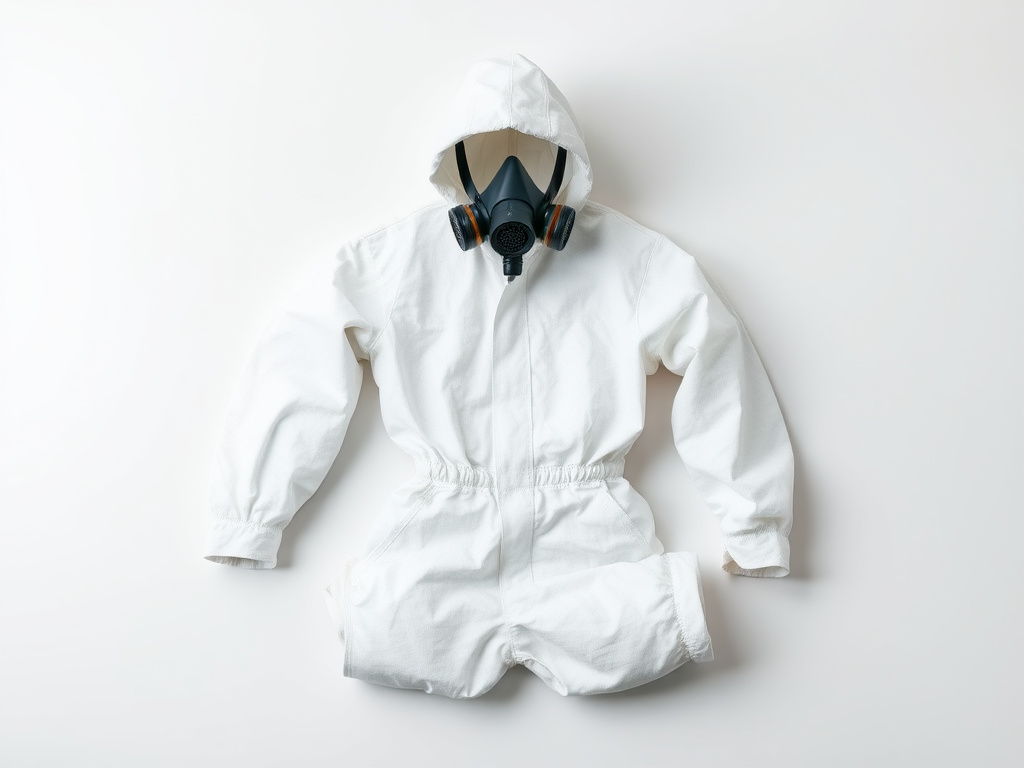
PPE Isn't Optional on an SPF Crew
Isocyanate exposure during spray application is a documented respiratory hazard, and closed-cell and open-cell overspray both carry real handling risk during mixing, spraying, and cure. Proper PPE isn't a suggestion in this trade — it's what keeps your crew spraying tomorrow, and it's what a jobsite inspector or WCB auditor is going to check first if something goes wrong. We stock full crew kits so outfitting a new hire or replacing worn gear doesn't mean piecing components together from three different suppliers.
Every SDS we ship documents required PPE for that specific chemical set, and our support line can walk any crew lead through matching PPE tier to the job — from a quick interior patch to a full-day closed-cell commercial pour.
Turnover is a reality on most crews, and a new hire's first week is exactly when PPE gaps show up — a coverall that doesn't fit right, a respirator that was never properly fit-tested, gloves left over from a different job type entirely. Building PPE issue into your onboarding checklist, rather than treating it as an afterthought once someone's already on a roof or in a crawlspace, is one of the simplest ways to keep a young crew both compliant and productive from day one.
Respirator Systems
Supplied-Air Respirator (SAR)
- Protection Level
- Highest — continuous fresh air
- Air Source
- Ambient-air pump or compressed cylinder
- Best For
- Closed-cell / confined & enclosed spaces
- Duty Cycle
- Full-shift, no cartridge changeout
Cartridge (APR) Respirator
- Protection Level
- Task-dependent, cartridge-rated
- Air Source
- Filtered ambient air
- Best For
- Short-duration, well-ventilated tasks
- Duty Cycle
- Cartridge change per manufacturer schedule
Full Crew Kit Components
Coveralls
Tyvek and chemical-resistant coverall options rated for isocyanate overspray exposure, with hood and boot-cover variants for full-enclosure jobs.
Gloves
Chemical-resistant nitrile and layered glove systems selected for grip during gun handling without sacrificing chemical barrier performance.
Fresh-Air Pumps
Ambient-air pump systems that feed SAR hoods — sized by number of simultaneous users and hose run length back to the pump.
CSA / WHMIS Basics
PPE selection tied to current WHMIS classification and SDS requirements for the specific chemical set on that job, not a generic safety checklist.
Replacement Schedules
Coveralls and gloves are single-use or short-duty items on most spray days — budget for consistent turnover rather than trying to stretch worn gear across multiple jobs. Respirator cartridges have a defined service life per manufacturer spec and should be replaced on schedule regardless of apparent condition, since saturation isn't always visible or detectable by odor with isocyanate exposure.
Bulk Crew-Kit Pricing
Multi-crew accounts can set up standing PPE orders sized to headcount and job volume, so restocking coveralls, gloves, and cartridges doesn't become a scramble mid-season. Bundle PPE restocks with chemical or parts orders to hit free-freight thresholds and simplify your ordering to a single monthly invoice.
We can also set a reorder trigger tied to your average crew burn rate, so cartridges, coveralls, and gloves land at the shop before a crew lead has to flag a shortage from the field — one less thing pulling a supervisor's attention off the job.
Fresh-Air Pump and Compressor Requirements
A supplied-air respirator system is only as good as the pump feeding it. Ambient-air pumps are rated for a set number of simultaneous users at a defined CFM per user, and running more hoods off a pump than it's rated for doesn't fail loudly — it just quietly thins the air volume reaching each hood, which defeats the point of running SAR in the first place. Size the pump to your actual crew count on a closed-cell job, not just the minimum for one sprayer, since a helper or second applicator working the same enclosed space needs the same fresh-air supply.
Hose run length between the pump and the hood matters as much as pump rating. Every pump has a maximum rated hose length before air volume and pressure at the hood drop below spec, and that number shrinks further with multiple hoods sharing one manifold. On a large commercial floor plate or a job with the pump staged well outside the structure, confirm your hose run against the pump's rated maximum rather than assuming distance doesn't matter — a hood at the far end of an underrated run is getting less fresh air than the one closest to the pump.
Pump placement is a compliance point, not just a convenience one: the intake needs to sit upwind of overspray, generator exhaust, and any other combustion source on site, since drawing contaminated or CO-laden air into a "fresh-air" system defeats the entire purpose of the equipment. Many crews run a low-level CO or air-quality alarm on the intake line for enclosed or confined-space jobs as an added check. Intake filters should be changed on a set schedule rather than by appearance, and the pump itself should be logged for run-hours so filter and service intervals are tracked against actual use, not guessed at.
PPE Tier by Job Type
| Product | Respirator | Coverall Level | Typical Use |
|---|---|---|---|
| Closed-Cell / Enclosed Space | Supplied-air (SAR) | Full chemical-resistant, hood + boots | Basements, crawlspaces, unvented attics |
| Open-Cell / Ventilated Interior | SAR or high-rated cartridge | Chemical-resistant coverall | Open interior walls, well-ventilated framing |
| Short Touch-Up / Patch | Cartridge (task-rated) | Tyvek coverall | Small repairs, short-duration exposure |
PPE & Safety FAQs
What PPE is required by Canadian regulations for spray foam application?+
Requirements are set by a combination of WHMIS classification for the chemical set in use and applicable provincial occupational health and safety rules. In practice, that means at minimum a rated respirator, chemical-resistant coveralls, and gloves for any active spray task — SAR systems for closed-cell and enclosed-space work.
Do I need supplied-air respirators for closed-cell spraying?+
Supplied-air is the standard recommendation for closed-cell application, particularly in enclosed or confined spaces like basements and crawlspaces where ventilation is limited and isocyanate concentration can build up quickly.
What WHMIS/SDS documentation do you provide with chemical orders?+
Every chemical order ships with the current Safety Data Sheet for that specific product and lot, covering required PPE, exposure limits, and handling/storage precautions per WHMIS classification.
How often should PPE be replaced on an active crew?+
Coveralls and gloves are typically single- or short-duty items and should be replaced regularly rather than reused across multiple jobs. Respirator cartridges follow a defined service-life schedule from the manufacturer regardless of apparent condition.
Do you offer bulk crew-kit pricing for multi-crew accounts?+
Yes — accounts running multiple crews can set up standing PPE orders sized to headcount and job volume, with pricing tiers that scale with order frequency and volume.
What's the difference between a cartridge respirator and a supplied-air system?+
Cartridge respirators filter ambient air through a rated cartridge and are suited to shorter, well-ventilated tasks. Supplied-air systems feed continuous fresh air from an external pump or cylinder and are the standard for closed-cell and enclosed-space application.
Outfit Your Crew
Set up standing PPE orders sized to your headcount and job volume — never let a crew short on coveralls or cartridges stall a spray day.