Equipment Comparison · 7 min read
Graco vs. PMC Proportioners: Which Spray Foam Rig Setup Is Right for Your Crew?
Output rate, parts availability across Canada, field-repair ease, ratio-control technology, and resale value — matched to your typical job type.
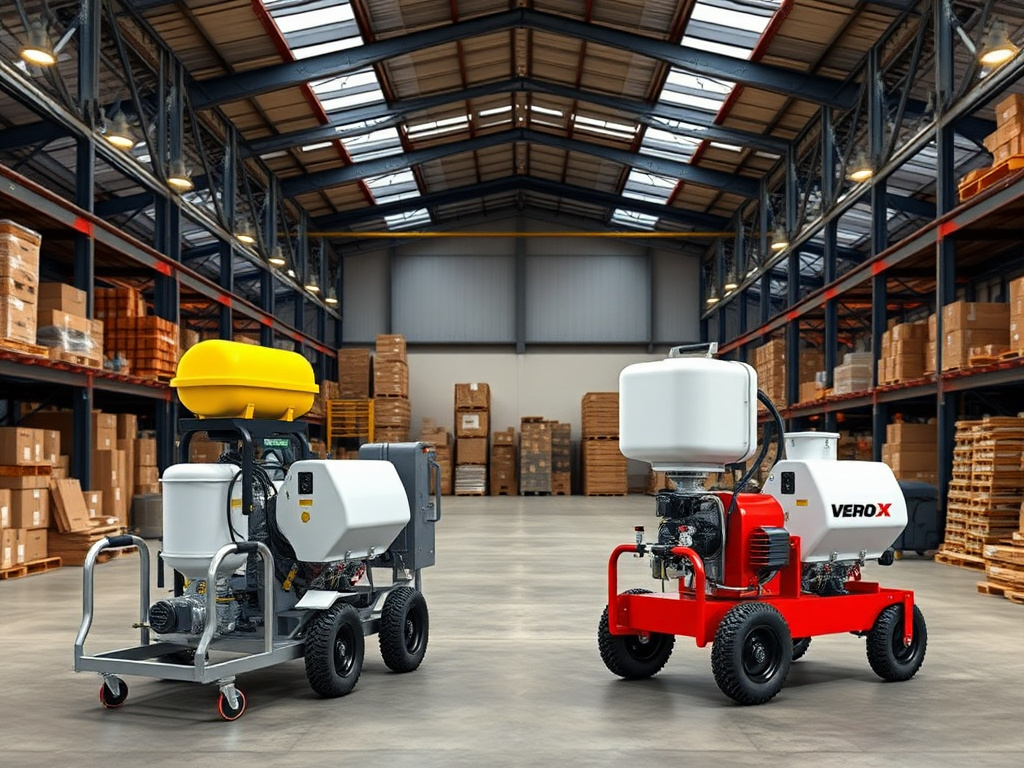
Graco and PMC are the two proportioner platforms Canadian SPF contractors debate most, and for good reason — both are proven, widely serviced systems, and the right choice comes down to how you run your crew more than which brand is objectively “better.” Here’s how they actually compare on the factors that matter day to day.
Head-to-Head Comparison
| Product | Output Rate | Ratio Control | Field Repair | Resale Value |
|---|---|---|---|---|
| Graco Reactor | 8–20+ lb/min across E/H series | Digital, continuous sensor monitoring | Widest trained-tech network in Canada | Strong — most liquid used market |
| PMC | 8–18 lb/min across PH series | Mechanical, positive-displacement pumps | Simpler pump rebuilds, fewer branches | Solid — smaller but steady used market |
Output Rate
Both platforms cover the same practical output range for most Canadian contractors, from electric units suited to residential/light-commercial crews up through hydraulic units built for continuous commercial output. Graco’s E-series electric Reactors are the more common entry point for a first rig; PMC’s PH-2 sits in a comparable output class. At the high end, both brands offer hydraulic units capable of sustained 15–20+ lb/min output for large-format commercial spraying — output rate alone rarely settles the decision between the two.
Parts Availability Across Canada
This is where the two platforms diverge most for Canadian buyers. Graco’s Reactor line benefits from the broadest distributor and trained-technician network in the country — a practical advantage if your rig goes down and you need a part or a qualified tech fast, especially outside major metro areas. PMC has a real presence in Canada but a smaller branch network, which can mean longer wait times for specialized parts in more remote regions. If you operate in a northern or remote market, weight parts logistics heavily in this decision — see our delivery timelines by region before committing to a platform.
Maintenance Cadence and Consumable Costs
Both platforms need the same basic maintenance discipline — regular filter checks, scheduled pump seal inspection, and gun/mix-chamber cleaning between sets — and neither has a meaningfully longer or shorter baseline service interval under normal use. Where they diverge slightly is the nature of the work: Graco’s digital system will often flag a developing issue (a slow pressure drift, a temperature sensor reading outside range) before it becomes a hard failure, giving crews a scheduled-maintenance warning rather than a surprise breakdown. PMC’s mechanical pumps rely more on operator experience and a consistent inspection routine to catch wear before it causes a failure, since there’s no onboard system flagging early drift.
Consumable costs — filters, seals, gun tips, mix chambers — run in a broadly similar range across both platforms when purchased through a Canadian distributor, and neither brand carries a decisive cost advantage on day-to-day wear parts. The bigger cost driver is usage pattern rather than brand: a rig running six days a week through a full commercial season will burn through consumables faster than a two-day-a-week residential operation regardless of whether it’s a Graco or a PMC underneath.
Ease of Field Repair
Graco’s digital ratio-monitoring system is a genuine advantage for diagnosing problems remotely or quickly on-site — the onboard display flags ratio and temperature deviations before they show up as bad foam, which shortens troubleshooting time for less experienced operators. PMC’s mechanical, positive-displacement pump design trades that digital diagnostic layer for straightforward mechanical serviceability — experienced techs often find PMC pump rebuilds quicker to execute in the field with basic tools, without needing to interface with onboard electronics. Crews with a strong in-house mechanic often lean PMC for this reason; crews relying on dealer service techs often lean Graco for the diagnostic support.
Ratio-Control Technology
Graco’s digital ratio and temperature sensors provide continuous, real-time monitoring with alerts before an off-ratio condition produces bad foam — a meaningful advantage for newer operators still building their eye for spray quality. PMC’s positive-displacement pump design delivers reliable mechanical ratio accuracy without digital sensor dependency, which some experienced operators prefer precisely because there’s less electronics to fail in harsh field conditions. Neither approach is objectively more accurate — they represent two different philosophies (digital monitoring vs. mechanical simplicity) for achieving the same ratio-accuracy goal.
Gun Compatibility and Consumables
Each platform pairs most naturally with its own gun family — Graco Reactors with the Fusion AP or Fusion CC, PMC proportioners with the AP-2 — and each gun family has its own ecosystem of tips, mix chambers, and rebuild kits. Neither is meaningfully harder to keep in consumables in Canada; both are stocked by major distributors. The practical consideration is standardization: a multi-rig operation running a mixed fleet of Graco and PMC units needs to stock two separate parts inventories for guns and mix chambers, which adds inventory complexity and ties up more working capital in spares than standardizing on one platform across the fleet.
Learning Curve for New Operators
Graco’s digital interface tends to be faster for a new operator to learn on, since the display walks through ratio and temperature status in plain readouts rather than requiring the operator to interpret mechanical pressure gauges and pump behavior directly. That said, digital readouts can create a false sense of security for a brand-new sprayer who trusts the display over what the foam actually looks like coming off the gun — the display flags ratio deviation, but it doesn’t replace developing an eye for pass thickness and rise quality. PMC’s more mechanical interface has a marginally steeper initial learning curve but tends to build operators who understand the physical system more directly, which some shop owners view as a long-term training advantage even if it slows down the first few weeks on the gun.
Noise, Footprint, and Trailer Layout
Physical footprint and mounting requirements are broadly comparable between equivalent-output Graco and PMC units, so platform choice rarely forces a different trailer size or layout on its own. Hydraulic units on both platforms run louder under load than electric units regardless of brand, which matters more for job-site noise considerations — particularly on occupied residential retrofits — than which manufacturer built the pump. If noise is a specific concern for your typical job type, that’s more a function of choosing an electric vs. hydraulic proportioner class than a Graco-vs-PMC decision.
Resale Value
Graco Reactor units generally hold resale value well and move faster on the Canadian used market simply due to volume — more units in circulation means more buyers actively searching for that platform. PMC units hold solid value in a smaller, steadier used market, particularly among commercial-focused contractors who specifically want the mechanical pump design. If resale liquidity and financing ease matter more to your plan than platform preference, Graco’s larger installed base gives it a practical edge.
Switching Platforms Mid-Career
Experienced operators moving from one platform to the other — whether buying a used rig on the “other” brand or a shop standardizing its fleet — generally adapt within a few weeks of regular use. The underlying spray physics don’t change between platforms; what changes is the interface for monitoring and adjusting ratio, and the mechanical feel of the gun trigger and pump response. Operators moving from PMC to Graco tend to appreciate the added visibility of the digital display once they trust it; operators moving from Graco to PMC often report a period of relying more on foam appearance and sound cues before they fully recalibrate their instincts to the mechanical system. Neither transition is difficult for an experienced sprayer, but it’s worth budgeting a short adjustment period rather than expecting identical day-one output on unfamiliar equipment.
Matching Proportioner Choice to Job Type
For residential retrofit and smaller commercial work with variable crew experience levels, Graco’s digital diagnostics and dominant Canadian service network reduce operational risk — a real factor when you’re not the one troubleshooting every callback yourself. For commercial and large-format spraying with an experienced in-house maintenance approach, PMC’s mechanical durability and simpler field rebuilds can mean less downtime waiting on a dealer appointment. Neither platform is the wrong choice — both are proven in Canadian conditions — the better question is which service and repair model fits how your business actually operates.
Still deciding? Read our full rig buying guide for the complete rundown on trailer configuration, generator sizing, and financing.
Not Sure Which Proportioner Fits Your Crew?
Tell us your job mix and region — we'll help you compare Graco and PMC platforms and build a rig quote around the right one.